
Solar Products
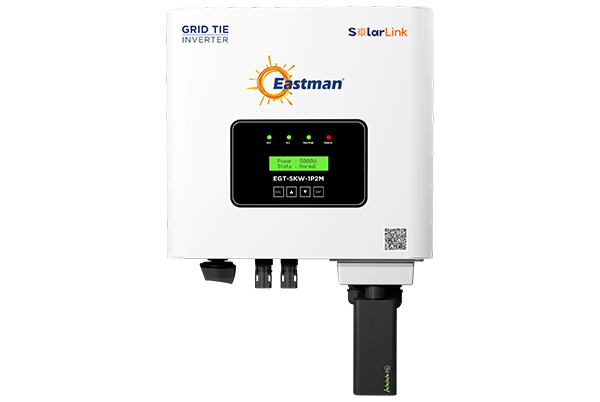
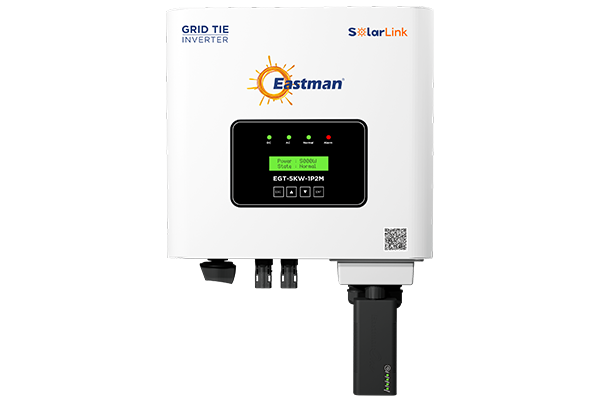

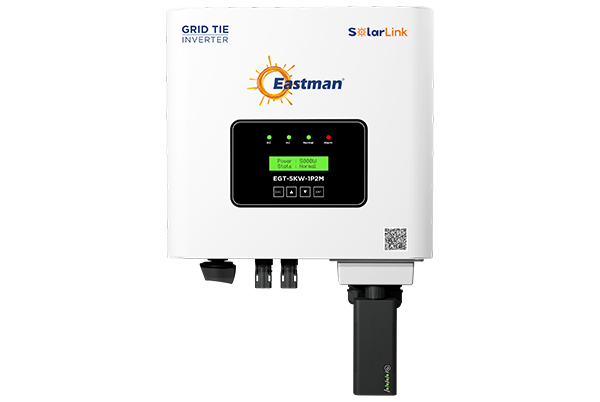
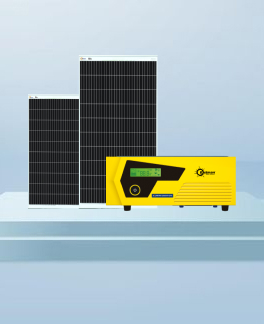
EGT-30K-3P2M
Power Rated Output: 30kW
Phase: Three Phase
Warranty: 10 Years*
*T&C Apply
EGT-30K-3P2M
Warranty
10 years
Max. DC Input Power (kW)
39KW
Max. DC Input Voltage (V)
1100V
Start-up DC Input Voltage (V)
250V
MPPT Operating Range (V)
200-1000V
Max. DC Input Current (A)
40+40
Max. Short Circuit Current (A)
60+60
No. of MPP Trackers
2
Rated Output Power (kW)
30KW
Rated Output Power (VA)
NA
Nominal Output Voltage / Range (V)
3L/N/PE 220/380V,230V/400V
Rated Grid Frequency (Hz)
50/60 (Optional)
Operating Phase
Three Phase
Max. AC Output Current (A)
55/52.6A
Surge protection
DC Type II/AC Type II
AC Connection
Three Phase
Interface
RS485/RS232/WiFi/LAN
Dimension (L*W*H)
362X577X215
Grid Tie Feature

Max Effieciency
98.5%
Low Startup
Dc Voltae
Max Dc
Overloading 30%
Wide Ac
Voltage Range
Type-2 Spd Enabled
Ac and Dc Side
Eastman Solar App
For Remote
Monitoring 24*7
IP 65
Enclosure
Built in Zero
Export Function
Applications

Home

Office

Industrial Units

Hospitals

Schools

Petrol Pump



Download Catalogue
Interested in buying our products?
Fill the enquiry form or call us on:
 78728 78728
Blogs







FAQs
We have a complete range of Solar Inverters for your every need. Our portfolio includes Off Grid Solar Inverters (PWM and MPPT based) and Grid Tie Solar Inverters with the best performance and reliability in the industry.
Connect enough solar panels to match the capacity of your inverter, ensuring optimal performance and efficient energy production for your needs. Use our Off Grid Solar Calculator or Grid Tie Solar Calculator for our recommendations as per your requirement.
Using our Eastman solar inverter can save you up to 70% on your electricity bills by significantly reducing your reliance on grid electricity. Know your exact savings by using our Grid Tie Solar Calculator.
A solar inverter converts DC electricity from your solar panels into AC electricity for your household appliances, enabling you to use solar power. We have a complete range of Solar Inverters for your every need. Our portfolio includes Off Grid Solar Inverters (PWM and MPPT based) and Grid Tie Solar Inverters with the best performance and reliability in the industry.
Our range of Solar Inverters include Off Grid Solar Inverters and Grid Tie Solar Inverters, each suited for different solar power system setups. Explore our complete range of Solar Inverters now!
Choose a solar inverter based on your energy needs, system size, and compatibility with your solar panels to ensure efficient energy conversion. Use our Off Grid Solar Calculator or Grid Tie Solar Calculator for our recommendations as per your requirement.
To calculate your solar inverter size, match it to the total wattage of your solar panels, ensuring the inverter capacity meets or exceeds this value. Use our Off Grid Solar Calculator or Grid Tie Solar Calculator for our recommendations as per your requirement.
PV stands for photovoltaic, referring to the technology that converts sunlight into electricity through solar panels in your solar power system.
Solar Products
EGT-20K-3P2M
Power Rated Output: 20KW
Phase: Three Phase
Warranty: 120 Months
*T&C Apply
EGT-20K-3P2M
Warranty
10 years
Max. DC Input Power (kW)
26kw
Max. DC Input Voltage (V)
1100V
Start-up DC Input Voltage (V)
150V
MPPT Operating Range (V)
200V-1000V
Max. DC Input Current (A)
26+26
Max. Short Circuit Current (A)
39+39
No. of MPP Trackers
2
Rated Output Power (kW)
20KW
Rated Output Power (VA)
NA
Nominal Output Voltage / Range (V)
3L/N/PE 220/380V,230V/400V
Rated Grid Frequency (Hz)
50/60 (Optional)
Operating Phase
Three Phase
Max. AC Output Current (A)
33.3/31.9A
Surge protection
DC Type II/AC Type II
AC Connection
Three Phase
Interface
RS485/RS232/WiFi/LAN
Dimension (L*W*H)
362X527X220
Grid Tie Feature
Max Effieciency
98.5%Low Startup
Dc VoltaeMax Dc
Overloading 30%Wide Ac
Voltage RangeType-2 Spd Enabled
Ac and Dc SideEastman Solar App
For Remote
Monitoring 24*7IP 65
EnclosureBuilt in Zero
Export Function
Applications
Home
Office
Industrial Units
Hospitals
Schools
Petrol Pump
Download Catalogue
Interested in buying our products?
Fill the enquiry form or call us on:
78728 78728Blogs
FAQs
We have a complete range of Solar Inverters for your every need. Our portfolio includes Off Grid Solar Inverters (PWM and MPPT based) and Grid Tie Solar Inverters with the best performance and reliability in the industry.
Connect enough solar panels to match the capacity of your inverter, ensuring optimal performance and efficient energy production for your needs. Use our Off Grid Solar Calculator or Grid Tie Solar Calculator for our recommendations as per your requirement.
Using our Eastman solar inverter can save you up to 70% on your electricity bills by significantly reducing your reliance on grid electricity. Know your exact savings by using our Grid Tie Solar Calculator.
A solar inverter converts DC electricity from your solar panels into AC electricity for your household appliances, enabling you to use solar power. We have a complete range of Solar Inverters for your every need. Our portfolio includes Off Grid Solar Inverters (PWM and MPPT based) and Grid Tie Solar Inverters with the best performance and reliability in the industry.
Our range of Solar Inverters include Off Grid Solar Inverters and Grid Tie Solar Inverters, each suited for different solar power system setups. Explore our complete range of Solar Inverters now!
Choose a solar inverter based on your energy needs, system size, and compatibility with your solar panels to ensure efficient energy conversion. Use our Off Grid Solar Calculator or Grid Tie Solar Calculator for our recommendations as per your requirement.
To calculate your solar inverter size, match it to the total wattage of your solar panels, ensuring the inverter capacity meets or exceeds this value. Use our Off Grid Solar Calculator or Grid Tie Solar Calculator for our recommendations as per your requirement.
PV stands for photovoltaic, referring to the technology that converts sunlight into electricity through solar panels in your solar power system.
Solar Products
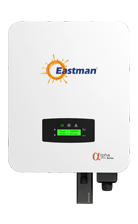
ES50KWT-GT
Power Rated Output: 50KW
Phase: Three Phase
Warranty: 10 Years*
*T&C Apply
ES50KWT-GT
Warranty
10 years
Max. DC Input Power (kW)
7.5KW
Max. DC Input Voltage (V)
1100V
Start-up DC Input Voltage (V)
200V
MPPT Operating Range (V)
200-1000V
Max. DC Input Current (A)
40X3
Max. Short Circuit Current (A)
48X3
No. of MPP Trackers
3
Rated Output Power (kW)
50KW
Rated Output Power (VA)
NA
Nominal Output Voltage / Range (V)
3P+N+PE/+PE 230/400V
Rated Grid Frequency (Hz)
50/60Hz
Operating Phase
Three Phase
Max. AC Output Current (A)
80A/PH
Surge protection
Integrated (Type II)
AC Connection
Three Phase
Interface
RS485 / WiFi / Wire Ethernet / GPRS (optional)
Dimension (L*W*H)
710x470x236
Grid Tie Feature
Max Effieciency
98.5%Low Startup
Dc VoltaeMax Dc
Overloading 30%Wide Ac
Voltage RangeType-2 Spd Enabled
Ac and Dc SideEastman Solar App
For Remote
Monitoring 24*7IP 65
EnclosureBuilt in Zero
Export Function
Applications
Home
Office
Industrial Units
Hospitals
Schools
Petrol Pump
Download Catalogue
Interested in buying our products?
Fill the enquiry form or call us on:
78728 78728Blogs
FAQs
We have a complete range of Solar Inverters for your every need. Our portfolio includes Off Grid Solar Inverters (PWM and MPPT based) and Grid Tie Solar Inverters with the best performance and reliability in the industry.
Connect enough solar panels to match the capacity of your inverter, ensuring optimal performance and efficient energy production for your needs. Use our Off Grid Solar Calculator or Grid Tie Solar Calculator for our recommendations as per your requirement.
Using our Eastman solar inverter can save you up to 70% on your electricity bills by significantly reducing your reliance on grid electricity. Know your exact savings by using our Grid Tie Solar Calculator.
A solar inverter converts DC electricity from your solar panels into AC electricity for your household appliances, enabling you to use solar power. We have a complete range of Solar Inverters for your every need. Our portfolio includes Off Grid Solar Inverters (PWM and MPPT based) and Grid Tie Solar Inverters with the best performance and reliability in the industry.
Our range of Solar Inverters include Off Grid Solar Inverters and Grid Tie Solar Inverters, each suited for different solar power system setups. Explore our complete range of Solar Inverters now!
Choose a solar inverter based on your energy needs, system size, and compatibility with your solar panels to ensure efficient energy conversion. Use our Off Grid Solar Calculator or Grid Tie Solar Calculator for our recommendations as per your requirement.
To calculate your solar inverter size, match it to the total wattage of your solar panels, ensuring the inverter capacity meets or exceeds this value. Use our Off Grid Solar Calculator or Grid Tie Solar Calculator for our recommendations as per your requirement.
PV stands for photovoltaic, referring to the technology that converts sunlight into electricity through solar panels in your solar power system.
Solar Products
ES30KWT-GT
Power Rated Output: 30kW
Phase: Three Phase
Warranty: 10 Years*
*T&C Apply
ES30KWT-GT
Warranty
10 years
Max. DC Input Power (kW)
45KW
Max. DC Input Voltage (V)
1100V
Start-up DC Input Voltage (V)
200V
MPPT Operating Range (V)
200-1000V
Max. DC Input Current (A)
38X2
Max. Short Circuit Current (A)
48X2
No. of MPP Trackers
2
Rated Output Power (kW)
30KW
Rated Output Power (VA)
NA
Nominal Output Voltage / Range (V)
3P+N+PE/+PE 230/400V
Rated Grid Frequency (Hz)
50/60Hz
Operating Phase
Three Phase
Max. AC Output Current (A)
48A/PH
Surge protection
DC Type II/AC Type II
AC Connection
Three Phase
Interface
RS485 / WiFi / Wire Ethernet / GPRS (optional)
Dimension (L*W*H)
450X485X210
Grid Tie Feature
Max Effieciency
98.5%Low Startup
Dc VoltaeMax Dc
Overloading 30%Wide Ac
Voltage RangeType-2 Spd Enabled
Ac and Dc SideEastman Solar App
For Remote
Monitoring 24*7IP 65
EnclosureBuilt in Zero
Export Function
Applications
Home
Office
Industrial Units
Hospitals
Schools
Petrol Pump
Download Catalogue
Interested in buying our products?
Fill the enquiry form or call us on:
78728 78728Blogs
FAQs
We have a complete range of Solar Inverters for your every need. Our portfolio includes Off Grid Solar Inverters (PWM and MPPT based) and Grid Tie Solar Inverters with the best performance and reliability in the industry.
Connect enough solar panels to match the capacity of your inverter, ensuring optimal performance and efficient energy production for your needs. Use our Off Grid Solar Calculator or Grid Tie Solar Calculator for our recommendations as per your requirement.
Using our Eastman solar inverter can save you up to 70% on your electricity bills by significantly reducing your reliance on grid electricity. Know your exact savings by using our Grid Tie Solar Calculator.
A solar inverter converts DC electricity from your solar panels into AC electricity for your household appliances, enabling you to use solar power. We have a complete range of Solar Inverters for your every need. Our portfolio includes Off Grid Solar Inverters (PWM and MPPT based) and Grid Tie Solar Inverters with the best performance and reliability in the industry.
Our range of Solar Inverters include Off Grid Solar Inverters and Grid Tie Solar Inverters, each suited for different solar power system setups. Explore our complete range of Solar Inverters now!
Choose a solar inverter based on your energy needs, system size, and compatibility with your solar panels to ensure efficient energy conversion. Use our Off Grid Solar Calculator or Grid Tie Solar Calculator for our recommendations as per your requirement.
To calculate your solar inverter size, match it to the total wattage of your solar panels, ensuring the inverter capacity meets or exceeds this value. Use our Off Grid Solar Calculator or Grid Tie Solar Calculator for our recommendations as per your requirement.
PV stands for photovoltaic, referring to the technology that converts sunlight into electricity through solar panels in your solar power system.
Solar Products
ES20KWS-GT-3
Power Rating: 20 KW
Warranty: 120 Months
Charger: MPPT
ES20KWT-GT
Warranty
10 years
Max. DC Input Power (kW)
30KW
Max. DC Input Voltage (V)
1100V
Start-up DC Input Voltage (V)
150V
MPPT Operating Range (V)
150V-1000V
Max. DC Input Current (A)
32X2
Max. Short Circuit Current (A)
48X2
No. of MPP Trackers
2
Rated Output Power (kW)
20KW
Rated Output Power (VA)
NA
Nominal Output Voltage / Range (V)
3P+N+PE/+PE 230/400V
Rated Grid Frequency (Hz)
50/60Hz
Operating Phase
Three Phase
Max. AC Output Current (A)
32A/PH
Surge protection
DC Type II/AC Type II
AC Connection
Three Phase
Interface
RS485/RS232/WiFi/LAN
Dimension (L*W*H)
330x457x185
Grid Tie Feature
Max Effieciency
98.5%Low Startup
Dc VoltaeMax Dc
Overloading 30%Wide Ac
Voltage RangeType-2 Spd Enabled
Ac and Dc SideEastman Solar App
For Remote
Monitoring 24*7IP 65
EnclosureBuilt in Zero
Export Function
Applications
Home
Office
Industrial Units
Hospitals
Schools
Petrol Pump
Download Catalogue
Interested in buying our products?
Fill the enquiry form or call us on:
78728 78728Blogs
FAQs
We have a complete range of Solar Inverters for your every need. Our portfolio includes Off Grid Solar Inverters (PWM and MPPT based) and Grid Tie Solar Inverters with the best performance and reliability in the industry.
Connect enough solar panels to match the capacity of your inverter, ensuring optimal performance and efficient energy production for your needs. Use our Off Grid Solar Calculator or Grid Tie Solar Calculator for our recommendations as per your requirement.
Using our Eastman solar inverter can save you up to 70% on your electricity bills by significantly reducing your reliance on grid electricity. Know your exact savings by using our Grid Tie Solar Calculator.
A solar inverter converts DC electricity from your solar panels into AC electricity for your household appliances, enabling you to use solar power. We have a complete range of Solar Inverters for your every need. Our portfolio includes Off Grid Solar Inverters (PWM and MPPT based) and Grid Tie Solar Inverters with the best performance and reliability in the industry.
Our range of Solar Inverters include Off Grid Solar Inverters and Grid Tie Solar Inverters, each suited for different solar power system setups. Explore our complete range of Solar Inverters now!
Choose a solar inverter based on your energy needs, system size, and compatibility with your solar panels to ensure efficient energy conversion. Use our Off Grid Solar Calculator or Grid Tie Solar Calculator for our recommendations as per your requirement.
To calculate your solar inverter size, match it to the total wattage of your solar panels, ensuring the inverter capacity meets or exceeds this value. Use our Off Grid Solar Calculator or Grid Tie Solar Calculator for our recommendations as per your requirement.
PV stands for photovoltaic, referring to the technology that converts sunlight into electricity through solar panels in your solar power system.
Solar Products
ES15KWT-GT
Power Rated Output: 15KW
Phase: Three Phase
Warranty: 10 Years*
*T&C Apply
ES15KWT-GT
Warranty
10 years
Max. DC Input Power (kW)
22.5KW
Max. DC Input Voltage (V)
1100V
Start-up DC Input Voltage (V)
150V
MPPT Operating Range (V)
150V-1000V
Max. DC Input Current (A)
20X32
Max. Short Circuit Current (A)
30+48
No. of MPP Trackers
2
Rated Output Power (kW)
15KW
Rated Output Power (VA)
NA
Nominal Output Voltage / Range (V)
3P+N+PE/+PE 230/400V
Rated Grid Frequency (Hz)
50/60Hz
Operating Phase
Three Phase
Max. AC Output Current (A)
27A/PH
Surge protection
DC Type II/AC Type II
AC Connection
Three Phase
Interface
RS485/RS232/WiFi/LAN
Dimension (L*W*H)
330x457x185
Grid Tie Feature
Max Effieciency
98.5%Low Startup
Dc VoltaeMax Dc
Overloading 30%Wide Ac
Voltage RangeType-2 Spd Enabled
Ac and Dc SideEastman Solar App
For Remote
Monitoring 24*7IP 65
EnclosureBuilt in Zero
Export Function
Applications
Home
Office
Industrial Units
Hospitals
Schools
Petrol Pump
Download Catalogue
Interested in buying our products?
Fill the enquiry form or call us on:
78728 78728Blogs
FAQs
We have a complete range of Solar Inverters for your every need. Our portfolio includes Off Grid Solar Inverters (PWM and MPPT based) and Grid Tie Solar Inverters with the best performance and reliability in the industry.
Connect enough solar panels to match the capacity of your inverter, ensuring optimal performance and efficient energy production for your needs. Use our Off Grid Solar Calculator or Grid Tie Solar Calculator for our recommendations as per your requirement.
Using our Eastman solar inverter can save you up to 70% on your electricity bills by significantly reducing your reliance on grid electricity. Know your exact savings by using our Grid Tie Solar Calculator.
A solar inverter converts DC electricity from your solar panels into AC electricity for your household appliances, enabling you to use solar power. We have a complete range of Solar Inverters for your every need. Our portfolio includes Off Grid Solar Inverters (PWM and MPPT based) and Grid Tie Solar Inverters with the best performance and reliability in the industry.
Our range of Solar Inverters include Off Grid Solar Inverters and Grid Tie Solar Inverters, each suited for different solar power system setups. Explore our complete range of Solar Inverters now!
Choose a solar inverter based on your energy needs, system size, and compatibility with your solar panels to ensure efficient energy conversion. Use our Off Grid Solar Calculator or Grid Tie Solar Calculator for our recommendations as per your requirement.
To calculate your solar inverter size, match it to the total wattage of your solar panels, ensuring the inverter capacity meets or exceeds this value. Use our Off Grid Solar Calculator or Grid Tie Solar Calculator for our recommendations as per your requirement.
PV stands for photovoltaic, referring to the technology that converts sunlight into electricity through solar panels in your solar power system.
Solar Products
ES10KWS-GT-3
Power Rating: 10 KW
Warranty: 120 Months
Charger: MPPT
ES10KWT-GT
Warranty
10 years
Max. DC Input Power (kW)
15KW
Max. DC Input Voltage (V)
1100V
Start-up DC Input Voltage (V)
150V
MPPT Operating Range (V)
150V-1000V
Max. DC Input Current (A)
15X2
Max. Short Circuit Current (A)
25X2
No. of MPP Trackers
2
Rated Output Power (kW)
10KW
Rated Output Power (VA)
NA
Nominal Output Voltage / Range (V)
3P+N+PE/+PE 230/400V
Rated Grid Frequency (Hz)
50/60Hz
Operating Phase
Three Phase
Max. AC Output Current (A)
17A/PH
Surge protection
INTEGRATED (TYPE III)
AC Connection
Three Phase
Interface
RS485/wifi /wire Ethernet/GPRS (Optional)
Dimension (L*W*H)
370X510X192
Grid Tie Feature
Max Effieciency
98.5%Low Startup
Dc VoltaeMax Dc
Overloading 30%Wide Ac
Voltage RangeType-2 Spd Enabled
Ac and Dc SideEastman Solar App
For Remote
Monitoring 24*7IP 65
EnclosureBuilt in Zero
Export Function
Applications
Home
Office
Industrial Units
Hospitals
Schools
Petrol Pump
Download Catalogue
Interested in buying our products?
Fill the enquiry form or call us on:
78728 78728Blogs
FAQs
We have a complete range of Solar Inverters for your every need. Our portfolio includes Off Grid Solar Inverters (PWM and MPPT based) and Grid Tie Solar Inverters with the best performance and reliability in the industry.
Connect enough solar panels to match the capacity of your inverter, ensuring optimal performance and efficient energy production for your needs. Use our Off Grid Solar Calculator or Grid Tie Solar Calculator for our recommendations as per your requirement.
Using our Eastman solar inverter can save you up to 70% on your electricity bills by significantly reducing your reliance on grid electricity. Know your exact savings by using our Grid Tie Solar Calculator.
A solar inverter converts DC electricity from your solar panels into AC electricity for your household appliances, enabling you to use solar power. We have a complete range of Solar Inverters for your every need. Our portfolio includes Off Grid Solar Inverters (PWM and MPPT based) and Grid Tie Solar Inverters with the best performance and reliability in the industry.
Our range of Solar Inverters include Off Grid Solar Inverters and Grid Tie Solar Inverters, each suited for different solar power system setups. Explore our complete range of Solar Inverters now!
Choose a solar inverter based on your energy needs, system size, and compatibility with your solar panels to ensure efficient energy conversion. Use our Off Grid Solar Calculator or Grid Tie Solar Calculator for our recommendations as per your requirement.
To calculate your solar inverter size, match it to the total wattage of your solar panels, ensuring the inverter capacity meets or exceeds this value. Use our Off Grid Solar Calculator or Grid Tie Solar Calculator for our recommendations as per your requirement.
PV stands for photovoltaic, referring to the technology that converts sunlight into electricity through solar panels in your solar power system.
Solar Products
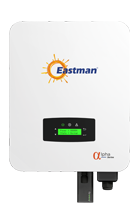
ES8KWT-GT
Power Rated Output: 8KW
Phase: Three Phase
Warranty: 10 Years*
*T&C Apply
ES8KWT-GT
Warranty
10 years
Max. DC Input Power (kW)
12KW
Max. DC Input Voltage (V)
1100V
Start-up DC Input Voltage (V)
150V
MPPT Operating Range (V)
150V-1000V
Max. DC Input Current (A)
15X2
Max. Short Circuit Current (A)
25X2
No. of MPP Trackers
2
Rated Output Power (kW)
8KW
Rated Output Power (VA)
NA
Nominal Output Voltage / Range (V)
3P+N+PE/+PE 230/400V
Rated Grid Frequency (Hz)
50/60Hz
Operating Phase
Three Phase
Max. AC Output Current (A)
13.5/PH
Surge protection
INTEGRATED (TYPE III)
AC Connection
Three Phase
Interface
RS485/wifi /wire Ethernet/GPRS (Optional)
Dimension (L*W*H)
370x510x165
Grid Tie Feature
Max Effieciency
98.5%Low Startup
Dc VoltaeMax Dc
Overloading 30%Wide Ac
Voltage RangeType-2 Spd Enabled
Ac and Dc SideEastman Solar App
For Remote
Monitoring 24*7IP 65
EnclosureBuilt in Zero
Export Function
Applications
Home
Office
Industrial Units
Hospitals
Schools
Petrol Pump
Download Catalogue
Interested in buying our products?
Fill the enquiry form or call us on:
78728 78728Blogs
FAQs
We have a complete range of Solar Inverters for your every need. Our portfolio includes Off Grid Solar Inverters (PWM and MPPT based) and Grid Tie Solar Inverters with the best performance and reliability in the industry.
Connect enough solar panels to match the capacity of your inverter, ensuring optimal performance and efficient energy production for your needs. Use our Off Grid Solar Calculator or Grid Tie Solar Calculator for our recommendations as per your requirement.
Using our Eastman solar inverter can save you up to 70% on your electricity bills by significantly reducing your reliance on grid electricity. Know your exact savings by using our Grid Tie Solar Calculator.
A solar inverter converts DC electricity from your solar panels into AC electricity for your household appliances, enabling you to use solar power. We have a complete range of Solar Inverters for your every need. Our portfolio includes Off Grid Solar Inverters (PWM and MPPT based) and Grid Tie Solar Inverters with the best performance and reliability in the industry.
Our range of Solar Inverters include Off Grid Solar Inverters and Grid Tie Solar Inverters, each suited for different solar power system setups. Explore our complete range of Solar Inverters now!
Choose a solar inverter based on your energy needs, system size, and compatibility with your solar panels to ensure efficient energy conversion. Use our Off Grid Solar Calculator or Grid Tie Solar Calculator for our recommendations as per your requirement.
To calculate your solar inverter size, match it to the total wattage of your solar panels, ensuring the inverter capacity meets or exceeds this value. Use our Off Grid Solar Calculator or Grid Tie Solar Calculator for our recommendations as per your requirement.
PV stands for photovoltaic, referring to the technology that converts sunlight into electricity through solar panels in your solar power system.
Solar Products
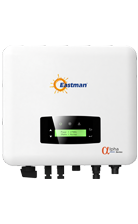
ES3KWS-GT-1
Power Rated Output: 3KW
Phase: Single Phase
Warranty: 10 Years*
*T&C Apply
ES3KWS-GT-1
Warranty
10 years
Max. DC Input Power (kW)
4.2KW
Max. DC Input Voltage (V)
550V
Start-up DC Input Voltage (V)
80V
MPPT Operating Range (V)
70-500V
Max. DC Input Current (A)
14A
Max. Short Circuit Current (A)
18A
No. of MPP Trackers
1
Rated Output Power (kW)
3KW
Rated Output Power (VA)
NA
Nominal Output Voltage / Range (V)
L/N/E 220/230V (Optional)
Rated Grid Frequency (Hz)
50/60 (45-65) Hz
Operating Phase
Single
Max. AC Output Current (A)
15
Surge protection
DC Type II/AC Type II
AC Connection
IP65 Rated Plug
Interface
RS485/RS232/Wifi/LAN
Dimension (L*W*H)
330x323x190
Grid Tie Feature
Max Effieciency
98.5%Low Startup
Dc VoltaeMax Dc
Overloading 30%Wide Ac
Voltage RangeType-2 Spd Enabled
Ac and Dc SideEastman Solar App
For Remote
Monitoring 24*7IP 65
EnclosureBuilt in Zero
Export Function
Applications
Home
Office
Industrial Units
Hospitals
Schools
Petrol Pump
Download Catalogue
Interested in buying our products?
Fill the enquiry form or call us on:
78728 78728Blogs
FAQs
We have a complete range of Solar Inverters for your every need. Our portfolio includes Off Grid Solar Inverters (PWM and MPPT based) and Grid Tie Solar Inverters with the best performance and reliability in the industry.
Connect enough solar panels to match the capacity of your inverter, ensuring optimal performance and efficient energy production for your needs. Use our Off Grid Solar Calculator or Grid Tie Solar Calculator for our recommendations as per your requirement.
Using our Eastman solar inverter can save you up to 70% on your electricity bills by significantly reducing your reliance on grid electricity. Know your exact savings by using our Grid Tie Solar Calculator.
A solar inverter converts DC electricity from your solar panels into AC electricity for your household appliances, enabling you to use solar power. We have a complete range of Solar Inverters for your every need. Our portfolio includes Off Grid Solar Inverters (PWM and MPPT based) and Grid Tie Solar Inverters with the best performance and reliability in the industry.
Our range of Solar Inverters include Off Grid Solar Inverters and Grid Tie Solar Inverters, each suited for different solar power system setups. Explore our complete range of Solar Inverters now!
Choose a solar inverter based on your energy needs, system size, and compatibility with your solar panels to ensure efficient energy conversion. Use our Off Grid Solar Calculator or Grid Tie Solar Calculator for our recommendations as per your requirement.
To calculate your solar inverter size, match it to the total wattage of your solar panels, ensuring the inverter capacity meets or exceeds this value. Use our Off Grid Solar Calculator or Grid Tie Solar Calculator for our recommendations as per your requirement.
PV stands for photovoltaic, referring to the technology that converts sunlight into electricity through solar panels in your solar power system.
Solar Products
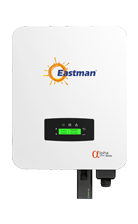
ES5KWS-GT-3
Power Rating: 5 KW
Warranty: 120 Months
Charger: MPPT
ES5KWT-GT
Warranty
10 years
Max. DC Input Power (kW)
7.5KW
Max. DC Input Voltage (V)
1100V
Start-up DC Input Voltage (V)
150V
MPPT Operating Range (V)
150-1000
Max. DC Input Current (A)
15X2
Max. Short Circuit Current (A)
25X2
No. of MPP Trackers
2
Rated Output Power (kW)
5KW
Rated Output Power (VA)
NA
Nominal Output Voltage / Range (V)
3P+N+PE/+PE 230/400V
Rated Grid Frequency (Hz)
50/60Hz ±5Hz
Operating Phase
Single
Max. AC Output Current (A)
8.3/8A
Surge protection
INTEGRATED (TYPE III)
AC Connection
Three Phase
Interface
RS485/wifi /wire Ethernet/GPRS (Optional)
Dimension (L*W*H)
370x510x167
Grid Tie Feature
Max Effieciency
98.5%Low Startup
Dc VoltaeMax Dc
Overloading 30%Wide Ac
Voltage RangeType-2 Spd Enabled
Ac and Dc SideEastman Solar App
For Remote
Monitoring 24*7IP 65
EnclosureBuilt in Zero
Export Function
Applications
Home
Office
Industrial Units
Hospitals
Schools
Petrol Pump
Download Catalogue
Interested in buying our products?
Fill the enquiry form or call us on:
78728 78728Blogs
FAQs
We have a complete range of Solar Inverters for your every need. Our portfolio includes Off Grid Solar Inverters (PWM and MPPT based) and Grid Tie Solar Inverters with the best performance and reliability in the industry.
Connect enough solar panels to match the capacity of your inverter, ensuring optimal performance and efficient energy production for your needs. Use our Off Grid Solar Calculator or Grid Tie Solar Calculator for our recommendations as per your requirement.
Using our Eastman solar inverter can save you up to 70% on your electricity bills by significantly reducing your reliance on grid electricity. Know your exact savings by using our Grid Tie Solar Calculator.
A solar inverter converts DC electricity from your solar panels into AC electricity for your household appliances, enabling you to use solar power. We have a complete range of Solar Inverters for your every need. Our portfolio includes Off Grid Solar Inverters (PWM and MPPT based) and Grid Tie Solar Inverters with the best performance and reliability in the industry.
Our range of Solar Inverters include Off Grid Solar Inverters and Grid Tie Solar Inverters, each suited for different solar power system setups. Explore our complete range of Solar Inverters now!
Choose a solar inverter based on your energy needs, system size, and compatibility with your solar panels to ensure efficient energy conversion. Use our Off Grid Solar Calculator or Grid Tie Solar Calculator for our recommendations as per your requirement.
To calculate your solar inverter size, match it to the total wattage of your solar panels, ensuring the inverter capacity meets or exceeds this value. Use our Off Grid Solar Calculator or Grid Tie Solar Calculator for our recommendations as per your requirement.
PV stands for photovoltaic, referring to the technology that converts sunlight into electricity through solar panels in your solar power system.