


A Complete Guide for Long-Lasting, Reliable Power. Inverter batteries are the silent workhorses of modern energy systems. Whether you rely on them for backup power, solar energy storage, or uninterrupted electricity during outages, battery health directly impacts performance, savings, and peace of mind.
Yet many users unknowingly reduce their inverter battery life due to improper usage, poor maintenance, or incorrect system configuration.
If you’ve invested in a high-quality inverter and battery system or plan, this guide will help you extend battery lifespan, improve efficiency, and get maximum value from your energy setup.
Backed by industry best practices and insights aligned with Eastman’s energy solutions, here are the most effective and proven tips to maximize your inverter battery life.
Why Inverter Battery Life Matters
An inverter battery is not just a backup component; it is a long-term investment. A well-maintained battery can last:
- 2-4 years for standard lead-acid batteries
- 4-6 years for tubular batteries
- 6-10 years for lithium-based energy storage systems
However, poor maintenance can reduce battery life by 30–50%, leading to:
- Frequent replacements
- Higher long-term costs
- Reduced backup time System inefficiencies
This is why top inverter battery brands emphasize not just product quality but also correct usage and care.
10 Tips to Maximize your Battery Life
1. Choose the Right Battery for Your Usage
Maximizing battery life starts before installation.
Match Battery Type to Your Needs Different batteries serve different purposes:
- Flat Plate Batteries – Suitable for short, occasional power cuts
- Tubular Batteries – Ideal for longer outages and frequent cycling
- Lithium Batteries – Best for solar systems, high efficiency, and long lifespan
Using a battery beyond its intended application shortens its life significantly.
2. Avoid Deep Discharging to Extend Inverter Battery Life
One of the biggest factors that shortens inverter battery life is deep discharge
Why It Matters:
Every battery has a recommended Depth of Discharge (DoD). Exceeding it frequently damages internal plates or cells.
Best Practices:
- Avoid draining batteries below 50% charge (lead-acid)
- Use low-battery cut-off settings
- Upgrade capacity if backup demand exceeds limits
Modern inverters and smart batteries offer protective features to prevent deep discharge; use them.
3. Maintain Proper Charging Cycles
Both undercharging and overcharging are harmful.
Undercharging:
- Leads to sulphation (in lead-acid batteries)
- Reduces capacity over time
Overcharging:
- Causes overheating
- Increases water loss
- Shortens battery lifespan
What You Should Do:
- Use a compatible inverter with smart charge control
- Ensure correct charging voltage settings
- Avoid mismatched inverter-battery combinations
This is why trusted brands focus on battery–inverter compatibility, not just capacity.
4. Keep Your Battery Clean and Well-Ventilated
Environmental conditions play a major role in battery health.
Temperature Guidelines:
- Keep it in ambient temperature
- Excess heat accelerates chemical degradation
- Extreme cold reduces efficiency
Maintenance Tips:
- Install batteries in a cool, dry, ventilated area
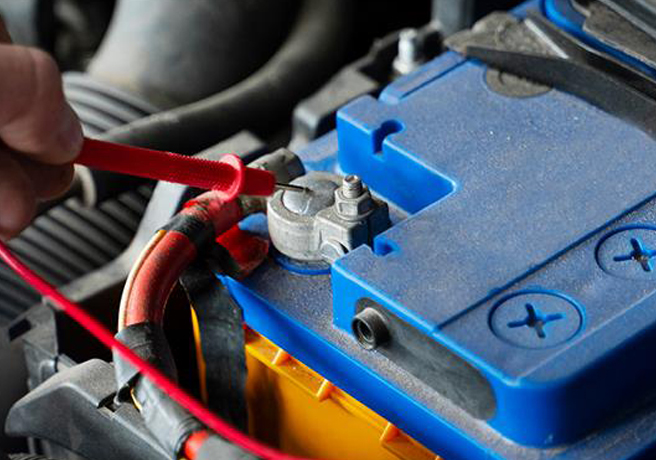
- Keep terminals clean and corrosion-free
- Tighten loose connections periodically
A clean battery room alone can add months or even years to battery life.
5. Monitor Electrolyte Levels
If you’re using flooded lead-acid or tubular batteries, electrolyte maintenance is essential.
Key Rules:
- Use distilled water only
- Never overfill
- Check levels every 2–3 months
Low electrolyte levels expose plates to air, causing irreversible damage. Sealed and lithium batteries do not require this step; another reason they’re gaining popularity in modern solar systems.
6. Avoid Overloading Your Inverter
Your inverter battery is not designed to power everything at once.
Overloading Causes:
- Excessive current draw
- Rapid battery discharge
- Increased heat
- Premature battery failure
Smart Usage Tips:
- Avoid running heavy appliances simultaneously
- Use energy-efficient devices
- Upgrade inverter capacity if load demand increases
Battery longevity improves drastically when systems are right-sized.
7. Avoid Long Idle Periods
Leaving batteries unused for long periods is harmful. Why?
- Batteries naturally self-discharge
- Prolonged inactivity causes capacity loss
What to Do:
- Charge batteries at least once every 30–45 days
- Use maintenance or float charging modes
- Keep systems active even during low usage periods
This is especially important for seasonal homes or backup-only systems.
8. Use Smart Monitoring & Alerts
Modern inverter batteries come with smart monitoring features that track:
- Charge cycles
- Temperature
- State of health
- Fault alerts
These insights help prevent failures before they happen.
9. Invest in Quality, Not Just Price
Cheap batteries may look attractive upfront, but they often result in:
- Shorter lifespan
- Lower backup performance
- Higher replacement costs
High-quality batteries offer:
- Better plate design or cell chemistry
- Longer warranties
- Higher cycle life
- Safer operation
Brands with proven manufacturing standards and global presence consistently deliver better battery longevity.
10. Service that Matters
Go for a brand which provides Faster replacement, and regular maintenance services. Regular maintenance will help to:
- Increase battery life
- Longer Backup time
- Lesser electricity consumption during charging
Common Mistakes that can reduce your battery life
Avoid these frequent errors:
- Oversizing or under sizing battery capacity
- Poor ventilation
- Ignoring maintenance schedules
- Mixing old and new batteries
- Using incompatible chargers or inverters
Correcting just one of these can significantly improve battery lifespan.
Conclusion
Your inverter battery lifespan is not determined by luck; it’s determined by how you choose, use, and maintain it. By following these best practices, you can:
- Extend battery life
- Improve performance
- Reduce replacement costs
- Ensure reliable power when it matters most
As energy needs evolve, trusted brands like Eastman continue to deliver durable, efficient, and future-ready inverter battery solutions that support both traditional backup systems and modern solar applications. Looking for long-lasting inverter batteries and advanced energy solutions?
Choose reliability. Choose performance. Choose Eastman.
Trusted globally for quality solar and battery technologies,
- Contact Eastman for more information.
- Get to know your nearest Store Locator for convenience.
FAQ’s
Q. How long should an inverter battery last?
A. Depending on type and usage, inverter batteries last 3 to 10+ years. Proper care can extend life significantly.
Q. Can solar charging increase battery life?
A. Yes. Solar provides cleaner, controlled charging, reducing stress, and improving battery longevity.
Q. Is it okay to keep my inverter on all the time?
A. Yes, as long as it’s properly ventilated and not overloaded.
Q. How often should I service my inverter battery?
A. Lead -acid batteries should be checked every 2–3 months. Lithium batteries require minimal maintenance.
Q. Does battery brand really matter?
A. Absolutely, Quality materials, design, and warranty support directly impact lifespan and safety.
Share:


related Posts





Interested in buying our products?
Fill the enquiry form or call us on:
 78728 78728